A crack appears in the wall and the mind goes straight to the worst case. Subsidence, thousands of pounds, the house falling down. The truth is most cracks are nothing to lose sleep over, but a few are worth taking seriously, and knowing the difference saves you both worry and money.
The cracks that are usually harmless
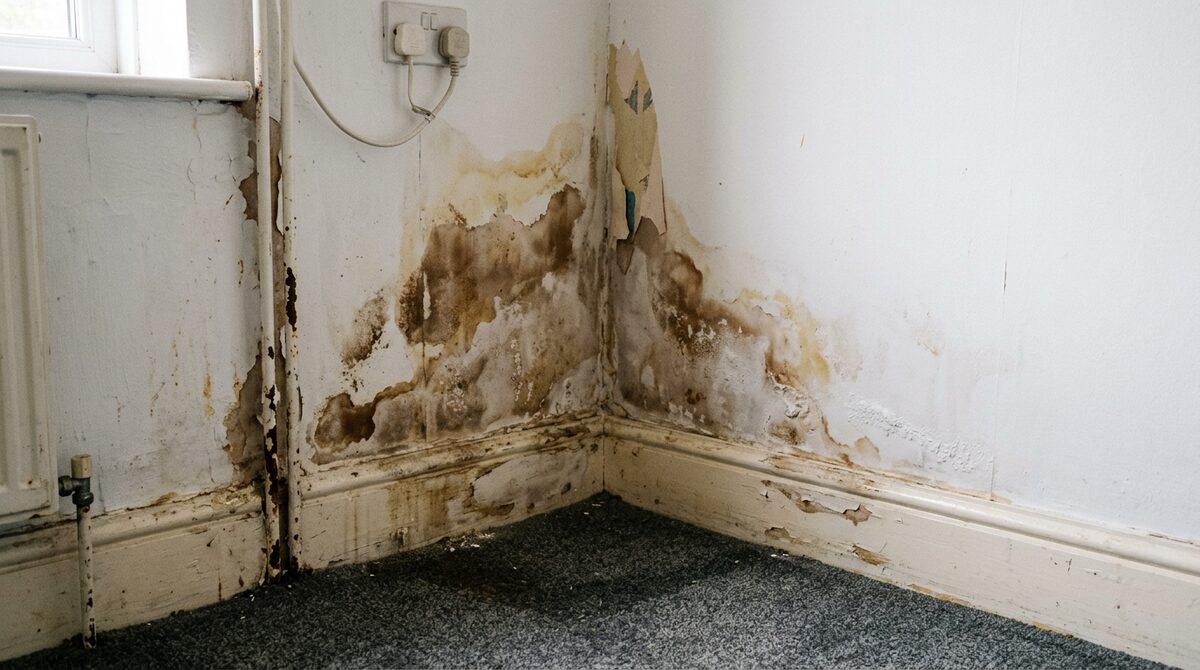
Buildings move a little all the time. They expand and contract with heat and cold, new plaster dries and shrinks, and a new build settles in its first year or two. That movement shows up as fine cracks, and most of them are cosmetic.
- Hairline cracks in plaster, thinner than a 10p coin is thick - Small cracks where two different materials meet, like plaster against a door frame - Fine cracks that appear in a new build or a fresh extension as it settles - Cracks that have been there for years and never grow
These usually just need filling and redecorating. Nothing structural, nothing to panic about.
The cracks worth getting looked at
Some cracks are the building telling you something is moving that should not be. Get one of these checked rather than guessing.
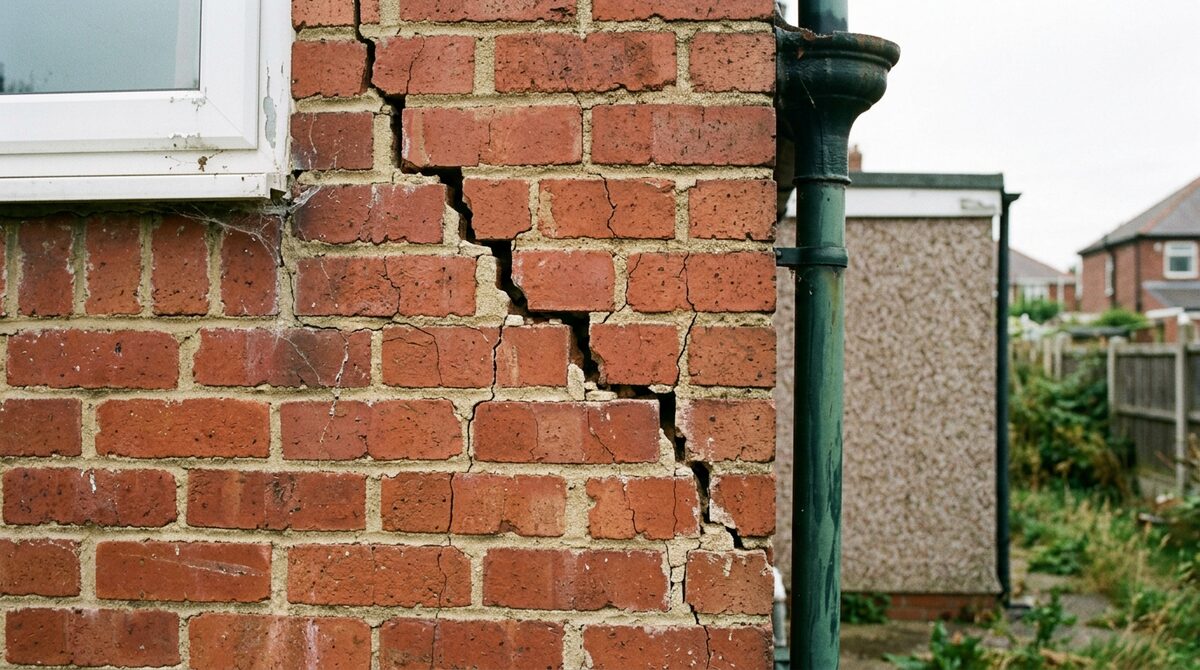
- Cracks wider than about 5mm, roughly the width of a pencil - Cracks that run at a diagonal, often stepping down through the mortar joints in brickwork - Cracks that are wider at one end than the other - Cracks that keep growing over weeks or months - Cracks that go right through the wall so you can see them inside and out in the same spot - Doors or windows that suddenly start sticking, along with new cracks nearby
What actually causes the serious ones
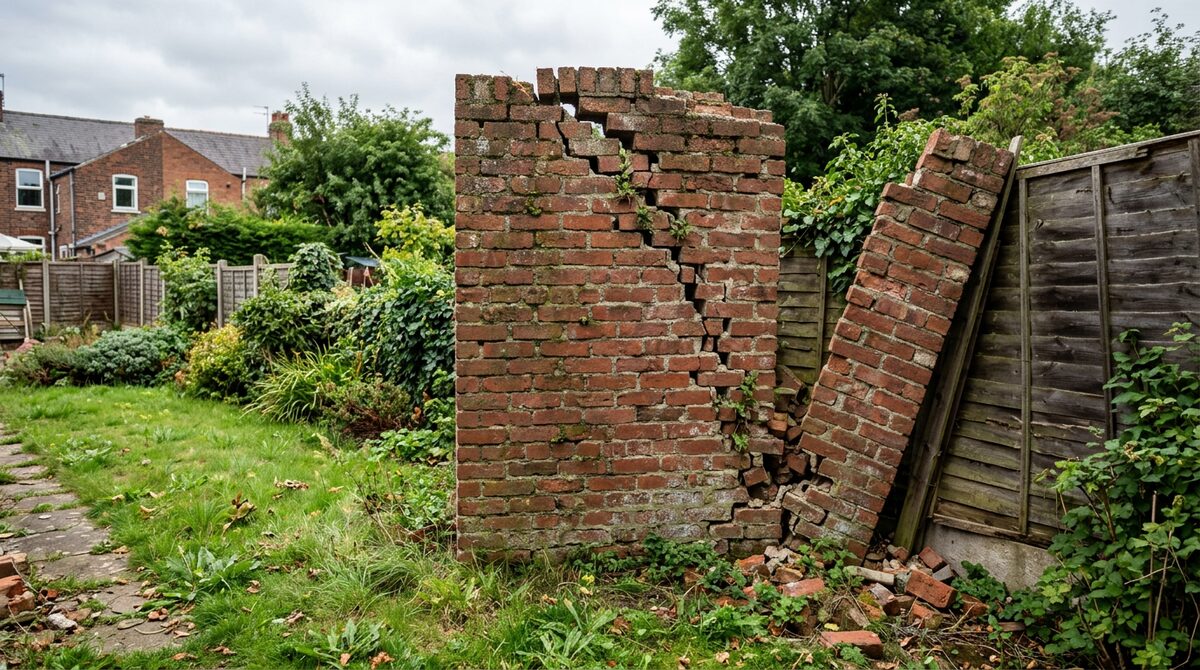
The big worry people have is subsidence, which is the ground under the foundations moving. It does happen, often where there are trees close to the house drawing moisture out of clay soil, or where an old drain has been leaking and washing ground away. But it is far from the only cause. Failed wall ties, a lintel gone over a window or door, thermal movement on a long wall, or an extension that was tied in badly can all crack a wall without any subsidence at all. That is exactly why guessing is a mistake. The fix depends entirely on the cause.
What to do if you are unsure
The cheap and useful thing you can do is keep an eye on it. Take a photo, note the date, even pencil a mark at the end of the crack. If it has not moved in a few months it is almost certainly settled. If it is growing, get someone out. Either way, do not just fill a moving crack and paint over it, because it will come straight back and you will have hidden the evidence of what is really going on.
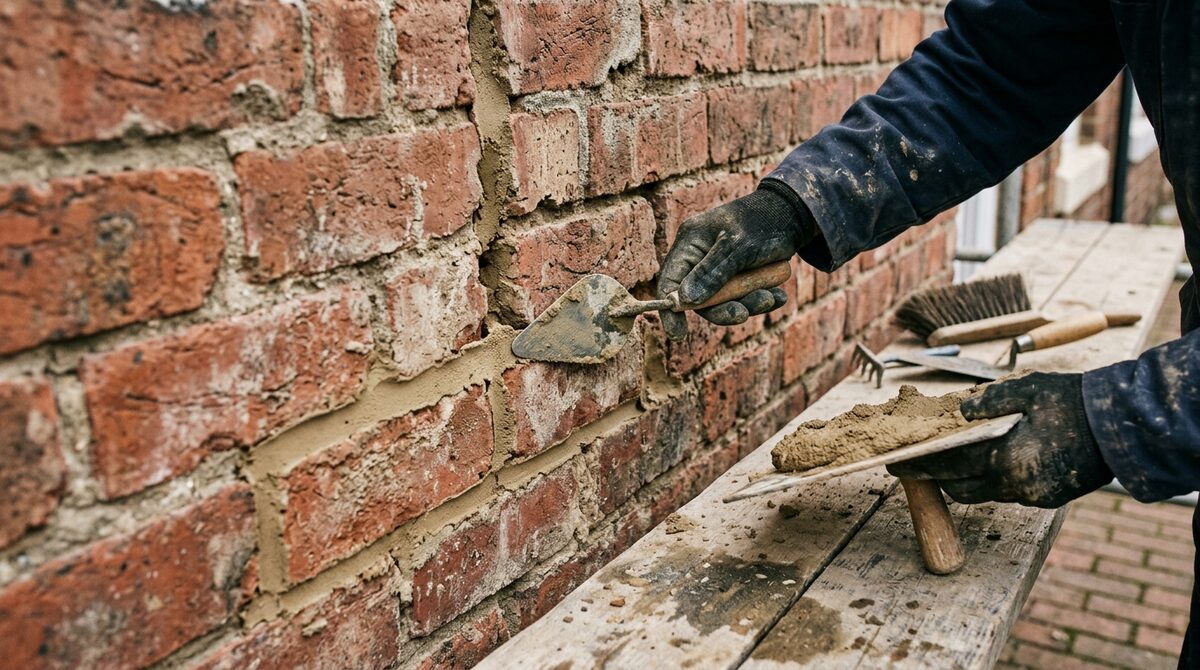
We look at cracked walls across the North East and give you a straight answer. Sometimes that answer is a bit of filler and a coat of paint, and we will tell you that rather than dream up a big job. When it is something structural, we explain exactly what is happening and what it takes to put right.
Keystone Construction Group. Straight answers, no scare stories. Call 07587885335 or visit keystone.abacusai.app.
Got a project in mind?
Have a chat with us about your build. No pushy sales, just honest advice from a team that knows the North East.