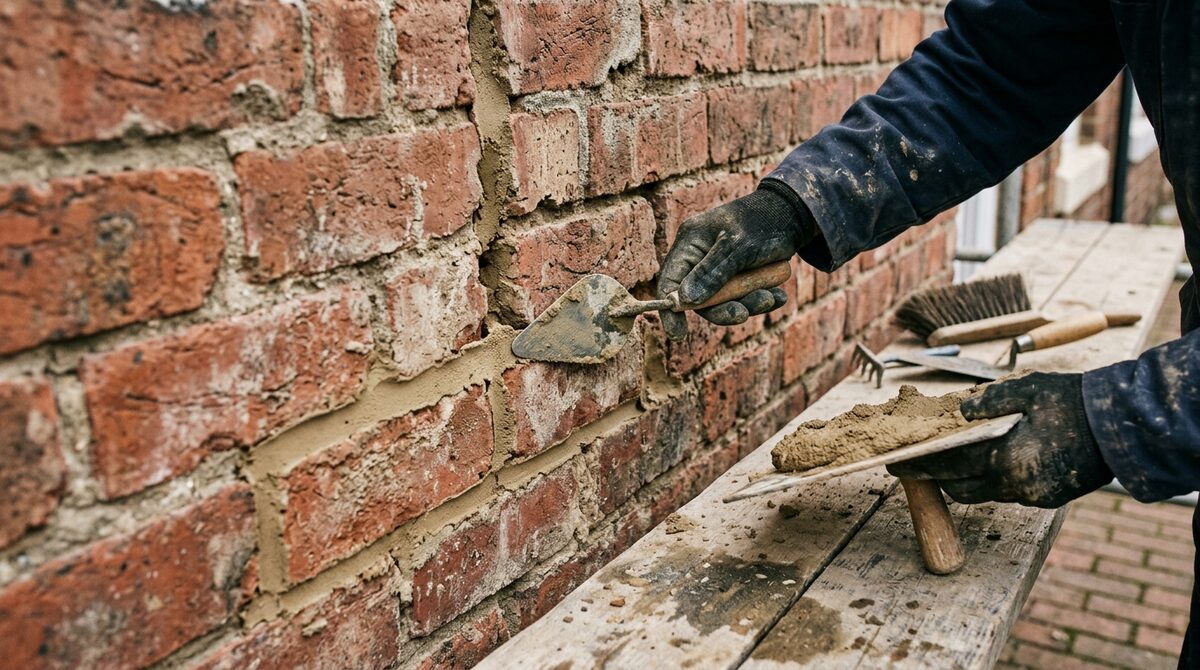
This is one of those bits of the trade that sounds like fussy detail but genuinely matters. Use the wrong mortar on an old building and you can do damage that takes years to show and costs a fortune to undo. The North East is full of solid old brick and stone properties, so this comes up on a lot of the jobs we look at.
The short version
Older buildings, roughly pre 1920s, were mostly built with lime mortar. Modern buildings use cement mortar. They behave in completely different ways, and the golden rule is that the mortar should always be softer than the bricks or stone around it. Get that the wrong way round and the wall suffers.
Why old buildings need lime
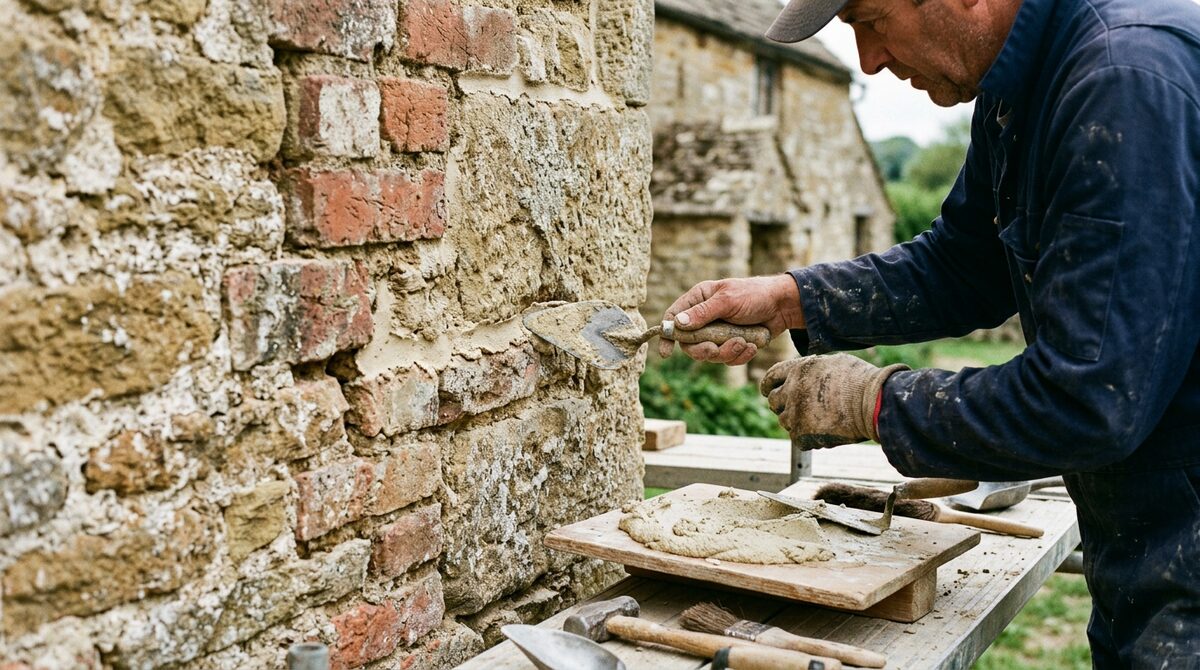
A lime mortar is soft and it breathes. Old walls do not have a modern damp proof course or a cavity, so they cope with moisture by letting it move through the wall and evaporate away, and the soft lime joints let that happen. Lime is also flexible, so it moves gently with the building instead of fighting it, and any small cracks that appear tend to heal themselves over time thanks to the way lime works.
What goes wrong with cement on an old wall
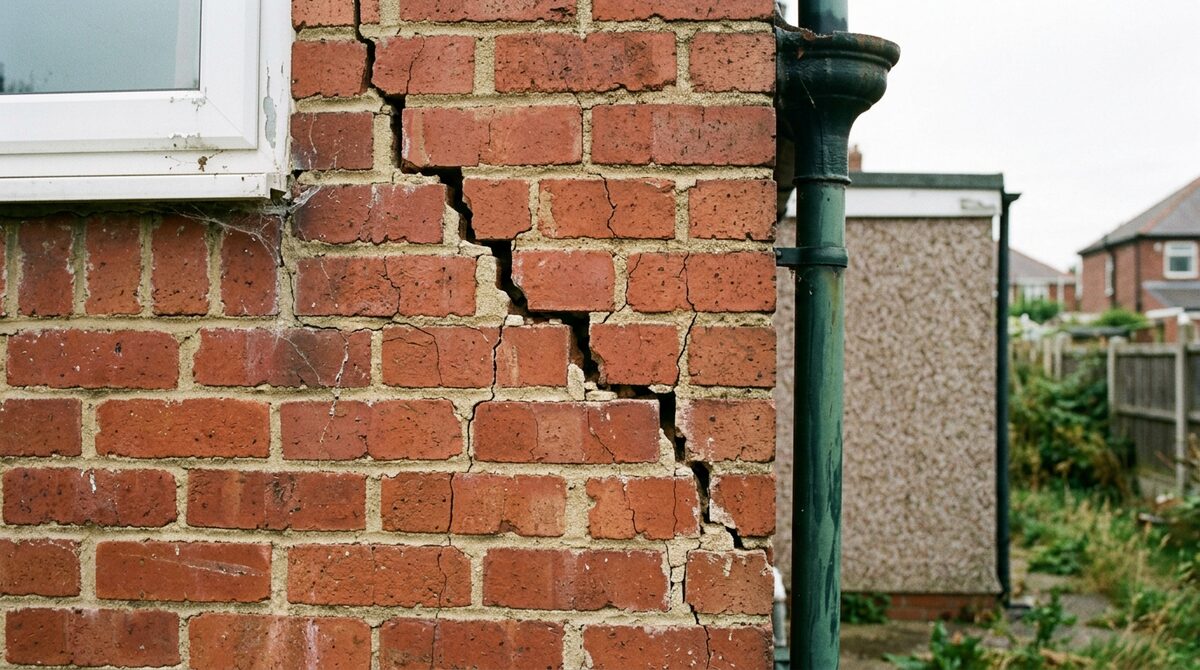
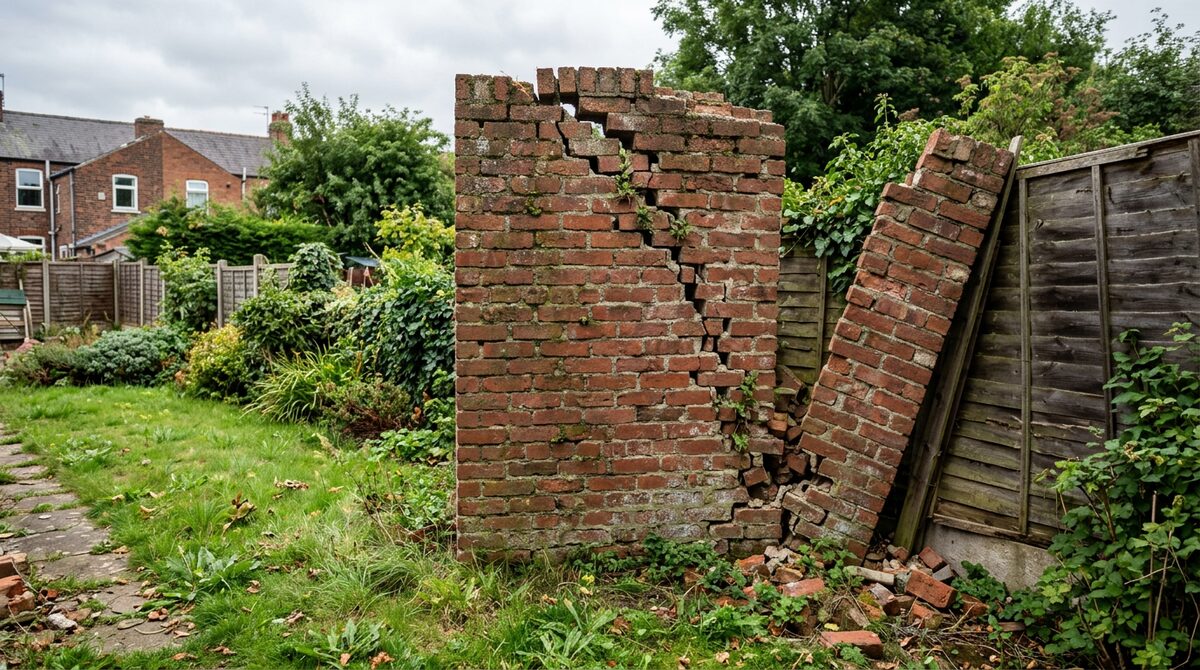
Cement mortar is hard and it does not breathe. Put it on an old building and two things happen. First, the moisture that used to escape through the joints now cannot, so it goes out through the bricks or the stone instead, and the face of them freezes, blows and crumbles. You end up losing the actual masonry rather than the mortar. Second, cement is rigid, so when the building moves the hard mortar cracks the bricks rather than flexing with them. It is heartbreaking to see a lovely old stone wall that has been repointed in hard cement, because you know the damage is already being done under the surface.
When cement is the right call
None of this means cement is bad. On a modern build, an extension, a new boundary wall or any structure designed for it, cement mortar is exactly right. It is strong, it sets fast and it does the job. The mistake is only in using it where lime belongs. Matching the mortar to the building is the whole point.
Getting it right
Working with lime is a proper skill. There are different types and strengths, it needs mixing and applying correctly, and it wants the right weather to cure, which takes patience. It is slower and more involved than cement, and that is partly why some firms avoid it and just reach for the cement bag regardless. We do not, because we would rather do the job in a way that protects the building for the long term.
If you have got an older or period property in Durham, Newcastle, Sunderland or anywhere across the North East and it needs repointing or stone work, make sure whoever does it understands lime. If you want it done properly, that is exactly the kind of work we take real care over.
Keystone Construction Group. The right materials for the building. Call 07587885335 or visit keystone.abacusai.app.
Got a project in mind?
Have a chat with us about your build. No pushy sales, just honest advice from a team that knows the North East.